
ROI OF AI: Is Machine Learning Worth the Investment?
Artificial Intelligence and Machine Learning have moved beyond experimental technology and into mainstream business strategy. Organizations across industries are adopting AI to improve decision making, automate operations, and gain competitive advantage. However, a critical question remains: Does machine learning deliver a meaningful return on investment?
This article examines the financial impact of AI, the benefits it offers, the costs involved, and how organizations can determine whether machine learning is a worthwhile investment.
Understanding ROI in Machine Learning
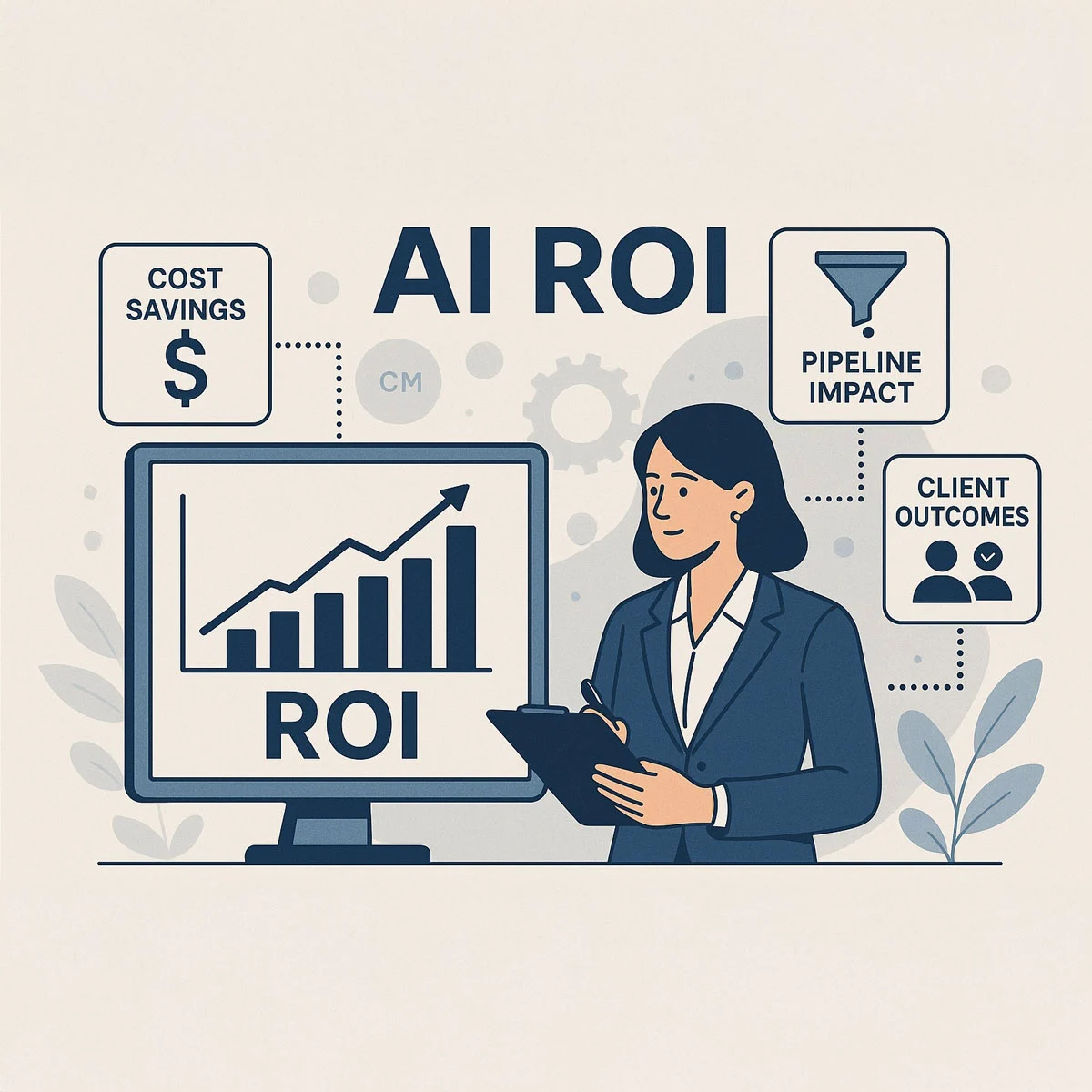
Return on Investment (ROI) refers to the financial value gained relative to the cost of implementing a solution. In the context of AI, ROI may come from increased revenue, reduced operating costs, improved efficiency, risk reduction, or enhanced customer experience.
A successful AI investment is not defined by innovation alone, but by its ability to generate measurable business value.
Business Benefits of Investing in Machine Learning
Cost Reduction Through Automation
Machine learning enables automation of repetitive and time intensive processes such as data analysis, customer support, fraud detection, and quality control. By reducing manual effort, organizations lower operational expenses and reallocate human resources to more strategic work.
Revenue Growth Through Data Driven Decisions
AI driven insights help businesses predict customer behavior, optimize pricing strategies, improve sales conversions, and reduce churn. These predictive capabilities allow companies to make smarter decisions that directly increase revenue and profitability.
Improved Operational Efficiency
Machine learning accelerates workflows by processing large datasets faster than traditional methods. It reduces the time required for reporting, forecasting, and decision making, leading to improved productivity and faster business execution.
Risk Mitigation and Fraud Prevention
Industries such as finance and insurance use machine learning to identify anomalies, detect fraud in real time, and minimize financial losses. This strengthens financial security and protects brand reputation.
Scalability Without Proportional Cost Increases
Once deployed, machine learning systems can scale operations without requiring equivalent increases in workforce size. This enables sustainable business growth while controlling long term costs.
Real World Examples of AI ROI
In financial services, machine learning improves fraud detection and credit risk assessment, preventing losses worth millions annually.
In e-commerce, recommendation systems increase conversion rates and customer lifetime value by personalizing shopping experiences.
In manufacturing, predictive maintenance reduces downtime by identifying potential equipment failures before they occur.
In marketing and SaaS, AI predicts customer churn and improves targeting efficiency, maximizing return on advertising spend.
The True Costs of Machine Learning Adoption
While AI offers strong potential returns, organizations must account for the full scope of investment.
Infrastructure expenses include cloud computing, storage, and data engineering pipelines. Talent costs involve hiring data scientists, machine learning engineers, and MLOps specialists. Ongoing maintenance requires model retraining, monitoring, and continuous optimization.
Additionally, many AI projects fail due to poor data quality, unclear objectives, or overly complex system design. These risks can impact ROI if not managed strategically.
When Machine Learning Is a Worthwhile Investment
Machine learning tends to deliver strong ROI when organizations have access to quality data, clearly defined business objectives, and problems that benefit from prediction, automation, or optimization. It is most effective when tied to measurable performance indicators such as cost savings, revenue growth, efficiency gains, or customer retention.
Businesses that adopt scalable AI solutions and automate machine learning workflows often achieve faster deployment and lower operational costs.
When AI May Not Be the Right Investment Yet
AI may not provide immediate value when datasets are too small, business problems are simple enough for traditional analytics, or when organizations lack the infrastructure and strategic clarity required to support machine learning initiatives.
In such cases, investing in foundational data systems and analytics capabilities may be a more practical first step.
How Organizations Can Maximize AI ROI
Successful AI adoption begins with identifying high impact business problems rather than focusing solely on technology. Establishing clear performance metrics allows teams to track financial and operational improvements.
Leveraging automation, no code AI platforms, and prebuilt machine learning pipelines can significantly reduce development costs and accelerate deployment. Starting with small, high value use cases and scaling after proving success further improves investment efficiency.
Final Perspective: Is Machine Learning Worth the Investment?
Machine learning can deliver substantial financial returns when implemented with strategic intent, reliable data, and measurable business objectives. Organizations that approach AI as a business investment rather than a technology experiment are more likely to achieve sustainable ROI.
The most important question is not whether AI is valuable, but where and how it can generate the greatest impact for a specific organization.